The Healthcare and Medical Industry is a vast The Healthcare and Medical Industry is undergoing a fundamental transformation, driven by an aging global population, the explosion of health data, and disruptive technologies like AI and Genomics.

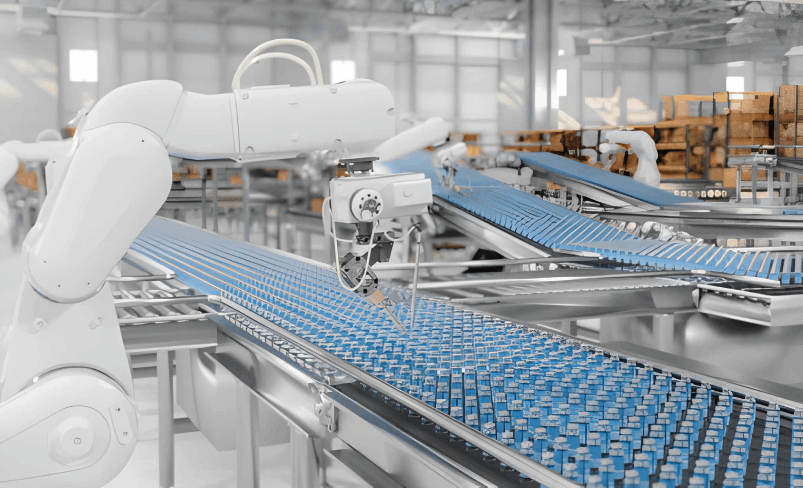
the primary strategic shift is moving from a reactive, hospital-centric model to a proactive, patient-centric, and decentralized system focused on quantifying and delivering value.
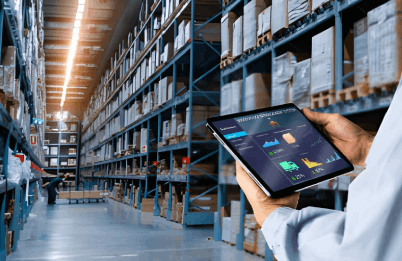
A critical global shortage of physicians and nurses, coupled with high rates of clinician burnout, places immense strain on healthcare systems and drives the need for AI-supported workflow automation.
The biggest challenge is making diverse patient data (from wearables, EHRs, labs) communicate seamlessly (interoperability) while maintaining stringent data privacy and security (HIPAA, GDPR).
The cost of care, driven by expensive new technologies (e.g., cell and gene therapies), continues to rise, widening the gap between the cost of treatment and the actual patient outcome or value. New innovative financing and reimbursement models are urgently needed.
The rapid deployment of AI, robotics, and advanced genetics technology is challenging existing regulatory frameworks, requiring new ethical guidelines for issues like algorithmic bias and patient data governance.
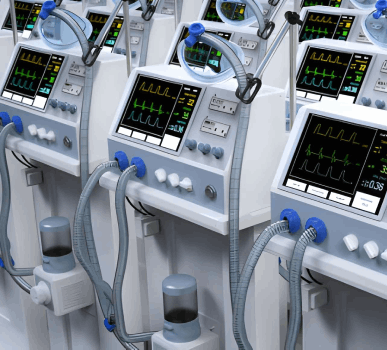

Driven by consumer demand for convenience and the need for cost reduction, care delivery is moving out of the hospital and into homes and communities.
Expected to continue expanding beyond basic virtual visits into complex chronic disease management, remote patient monitoring (RPM), and even remote surgery supported by 5G and robotics.
Devices that continuously track vital signs, activity, and symptoms are shifting healthcare from episodic checks to continuous, real-time data monitoring, enabling earlier intervention for chronic conditions like diabetes and heart disease.
Expenditure on home health is projected to outpace most other segments, with a focus on home diagnostics, home-administered drug delivery systems, and enhanced caregiver support through robotic devices.