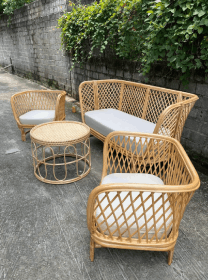
diverse sector split between highly organized, mass-produced furniture manufacturing and the highly fragmented, artisanal handicraft market. Both segments are experiencing significant growth driven by consumer demand for personalization, sustainability, and digital access.

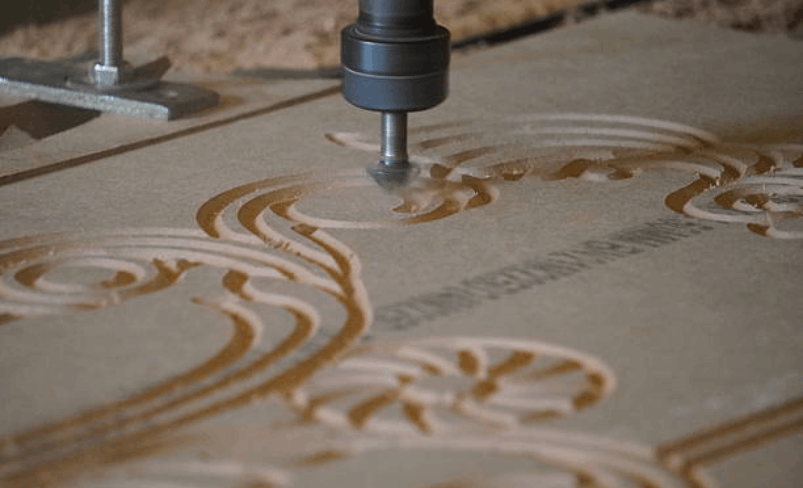
The overall market shows robust growth, especially in the handcrafted and online segments.
| Segment | Estimated Market Size (2030) | Growth Rate (CAGR) | Key Regional/Segment Drivers |
| Global Furniture Market | $878 Billion to over $1 Trillion | 5.65% to 5.9% (2025-2032) | Residential demand, urbanization, and online retail. |
| Global Handicrafts Market | $983 Billion to over $2.3 Trillion | 4.9% to 11.0% (2025-2030) | Demand for authentic, unique, and culturally significant items. |
| India Furniture Market | $43.24 Billion | 7.6% (2025-2030) | Rapid urbanization, government housing pushes, and rising disposable income. |

The handicrafts market constantly battles competition from cheap, machine-made imitations, making it difficult for artisans to compete purely on price.
Both sectors rely heavily on raw materials (wood, fabric, metal). Fluctuations in price, import duties, and supply chain bottlenecks for certified timber raise input costs significantly.
While e-commerce is growing, many traditional artisans, particularly in rural clusters, lack the necessary digital skills, internet access, and financial literacy to fully leverage online marketplaces.
High reverse-logistics costs and potential damage during transport remain major friction points for online furniture sales.


Digitalization is the single biggest factor bridging the gap between small artisans and global consumers, and changing how bulky furniture is sold.
Consumers are actively seeking products that align with their values, driving a premium for transparent and responsible sourcing.
Changing living spaces and demographics are driving shifts in product design.