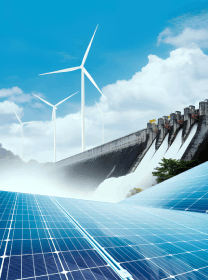
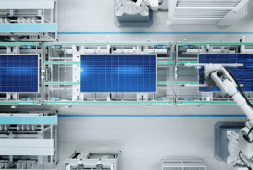
Renewable Energy The Green Energy Industry (also referred to as the Renewable Energy or Clean Power Market) is defined by the rapid deployment of technologies like solar, wind, hydro, and emerging sources like green hydrogen and advanced battery storage. It is one of the most strategically critical sectors globally, driven by the commitment to decarbonization and energy security

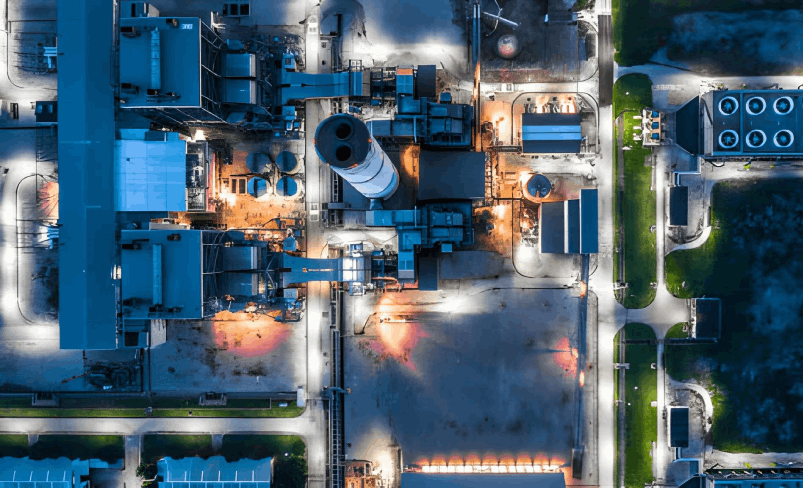
The sector is expanding exponentially, targeting a massive tripling of global capacity by the end of the decade
| Metric | Current Value (2025) | Projected Value (2030) | Growth Rate (CAGR) |
| Global Green Power Market | Billion (2022) | Billion | |
| Global Renewable Energy Market | Trillion (2025) | Trillion (by 2032) | |
| Global Goal (IEA/COP28) | of electricity mix | Tripling Global Capacity (Nearing 50% of the global electricity mix) | Must reach growth per year |
| India's Target | GW installed capacity | 500 GW of non-fossil-based electricity capacity | Requires annual installation of GW |

Solar PV (Photovoltaic) Lead: Solar PV currently accounts for the largest share of new renewable capacity additions and is expected to be the dominant source of energy by 2030
Energy Storage: The high cost of utility-scale battery storage systems (BESS) is declining rapidly (lithium-ion costs dropped over 90% in the last decade). This is critical for solving the intermittency challenge of solar and wind by storing surplus energy for peak demand times
Green Hydrogen (produced using renewable electricity via electrolysis) is gaining traction as a key solution for decarbonizing hard-to-abate sectors (e.g., steelmaking, ammonia production, heavy transport) where direct electrification is difficult. Its growth is highly dependent on continued cost reduction for electrolyzers and abundant, cheap solar power.
AI Integration: Artificial Intelligence and Machine Learning are becoming crucial for monitoring and optimizing energy production and consumption. AI enhances predictive modeling to better forecast solar and wind output, and it helps manage grid stability and optimize load balancing
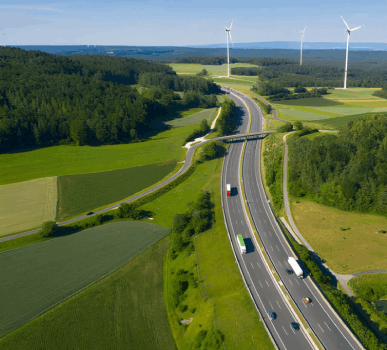
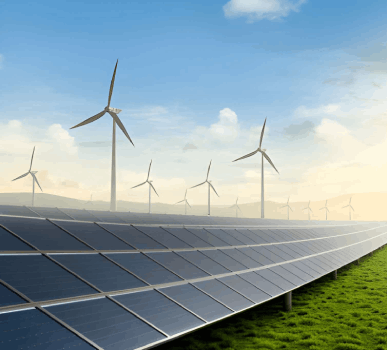
The international consensus goal (reaffirmed at COP) is to triple global renewable energy capacity by 2030
Solar PV is expected to account for approximately 80% of the global increase in renewable capacity by 2030, driven by its low cost and rapid deployment timeframes.
The global BESS market pipeline is projected to reach 187 GW of capacity by 2030, transforming the way grids operate.