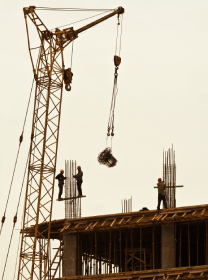
The real estate and construction industry outlook is generally optimistic for the coming years, driven by robust performance in specific sectors and a strong focus on sustainability and technology. However, the industry faces persistent headwinds from high costs, labor shortages, and regulatory complexities.

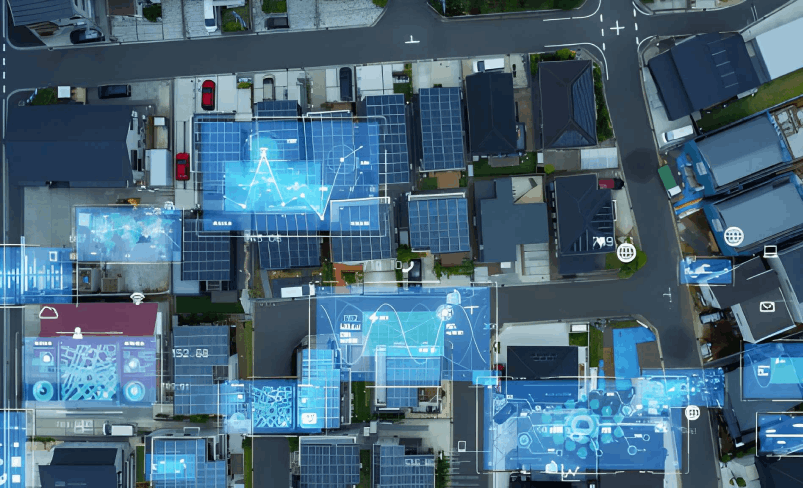
Sector Performance Disparity:

Rising Interest Rates and Inflation increase borrowing costs, inflate project budgets, and reduce consumer purchasing power, impacting both residential and commercial markets.
High Material Costs (intensified by tariffs and supply chain fragility) and Supply Chain Disruptions lead to cost overruns and project delays.
Frequent regulatory changes and zoning challenges at various government levels create uncertainty and can lead to bureaucratic delays in permits and approvals.
Environmental Regulations demanding sustainable practices and green building standards add compliance costs and complexity.
The industry faces a persistent labor shortage and an intensification of the skills gap, impacting project execution and cost.
Natural disasters are growing more intense, leading to rising insurance costs and making access to insurance harder. The industry needs to make major investments in deep-energy retrofits and resilient infrastructure.
While technology is an opportunity, hesitance towards new tech adoption and the challenge of integrating fragmented data across different systems (e.g., property management, accounting) limit efficiency improvements.


TIMEA Demand continues to outweigh supply. Innovative approaches, including modular construction and strong public-private partnerships (government-leased land, tax credits), are crucial to combat elevated construction costs.
Leveraging technology like AI-driven property management, digital platforms for supply chain visibility, and Virtual Reality/Blockchain can streamline project execution, enhance data accuracy, and improve operational efficiency.
Contractors have unprecedented opportunities in government-backed infrastructure projects, requiring expertise in compliance, labor management, and technology.
The focus on decarbonization creates an opportunity for deep-energy retrofits to existing buildings, which may qualify for preferential financing.
Countries like India and Canada are projected to see strong construction market growth, fueled by infrastructure investments, urbanization, and government initiatives.