Agricultural and Food Industry ( The Agricultural and Food Industry (Agri-Food) is the integrated global system spanning farm production (Agriculture) through processing, packaging, and distribution (Food and Beverage). This system is undergoing a massive transformation driven by technology, climate change, and consumer demand for sustainability and transparency.

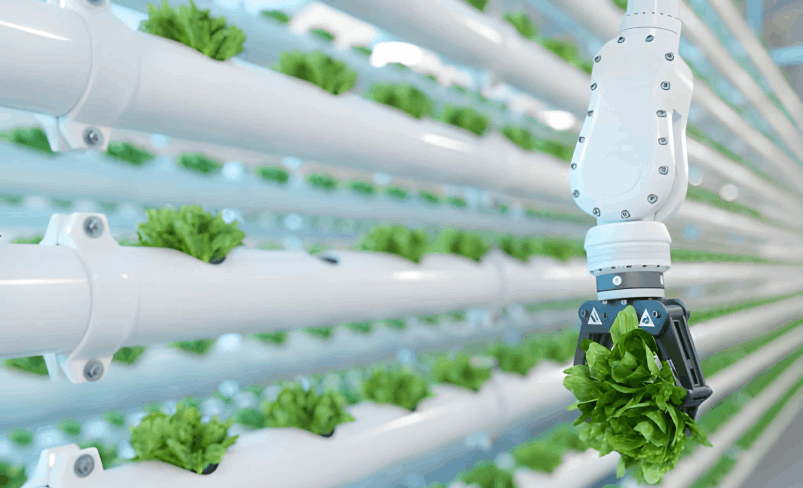
Unpredictable weather (droughts, floods, heatwaves) is the single greatest risk, causing crop yield instability, supply uncertainty, and massive operational losses. Many developing regions are still heavily reliant on monsoons.
Farmers and processors face high input costs for fertilizers, energy, and transportation, exacerbated by global inflation and supply chain disruptions.
The shortage of labor in both field work and food processing is becoming acute, accelerating the need for automation but creating a concurrent skills gap for managing complex new machinery and data systems.
Small farm sizes make the adoption of large-scale, expensive precision technology economically unviable for many farmers, limiting national productivity improvements.
Companies must constantly adapt to evolving and strict food safety, environmental, and labeling regulations (e.g., FSMA, HACCP).
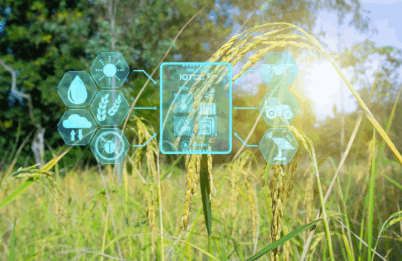
Engineers are crucial in developing systems that not only sustain but actively regenerate natural resources, aligning with the UN Sustainable Development Goals (SDGs).
Regenerative Agriculture: Engineers design tools and systems that promote soil health, increase biodiversity, and enhance the soil's ability to sequester carbon. This includes developing precise Measurement, Reporting, and Verification (MRV) technologies to help farmers monetize carbon utilization.
Water Management: Designing highly efficient irrigation and drainage systems (e.g., drip and microsprinkler systems) that can save 30% to 70% of water usage compared to traditional methods.
Bioenergy and Waste Management: Developing technologies to convert agricultural waste (biomass) into bioenergy (e.g., biofuels, biogas) and creating sustainable waste disposal systems.
This involves cultivating crops in structures where environmental factors are regulated, enabling production in non-arable areas and reducing reliance on traditional farming conditions.
Vertical and Indoor Farming: Engineers design and manage the complex structural, lighting (LED systems), HVAC, and water systems (hydroponics/aeroponics) for stacked indoor farms, drastically reducing water usage (up to 70% less) and optimizing crop yield in urban settings.
Next-Generation Greenhouses: Designing smart greenhouses that use automated controls to maintain optimal temperature, humidity, and light exposure for high-value crops.

The integration of technology in the agricultural sector is crucial for resilience against climate change and resource scarcity.
Consumer and environmental mandates are driving a massive shift in how protein is produced and consumed.